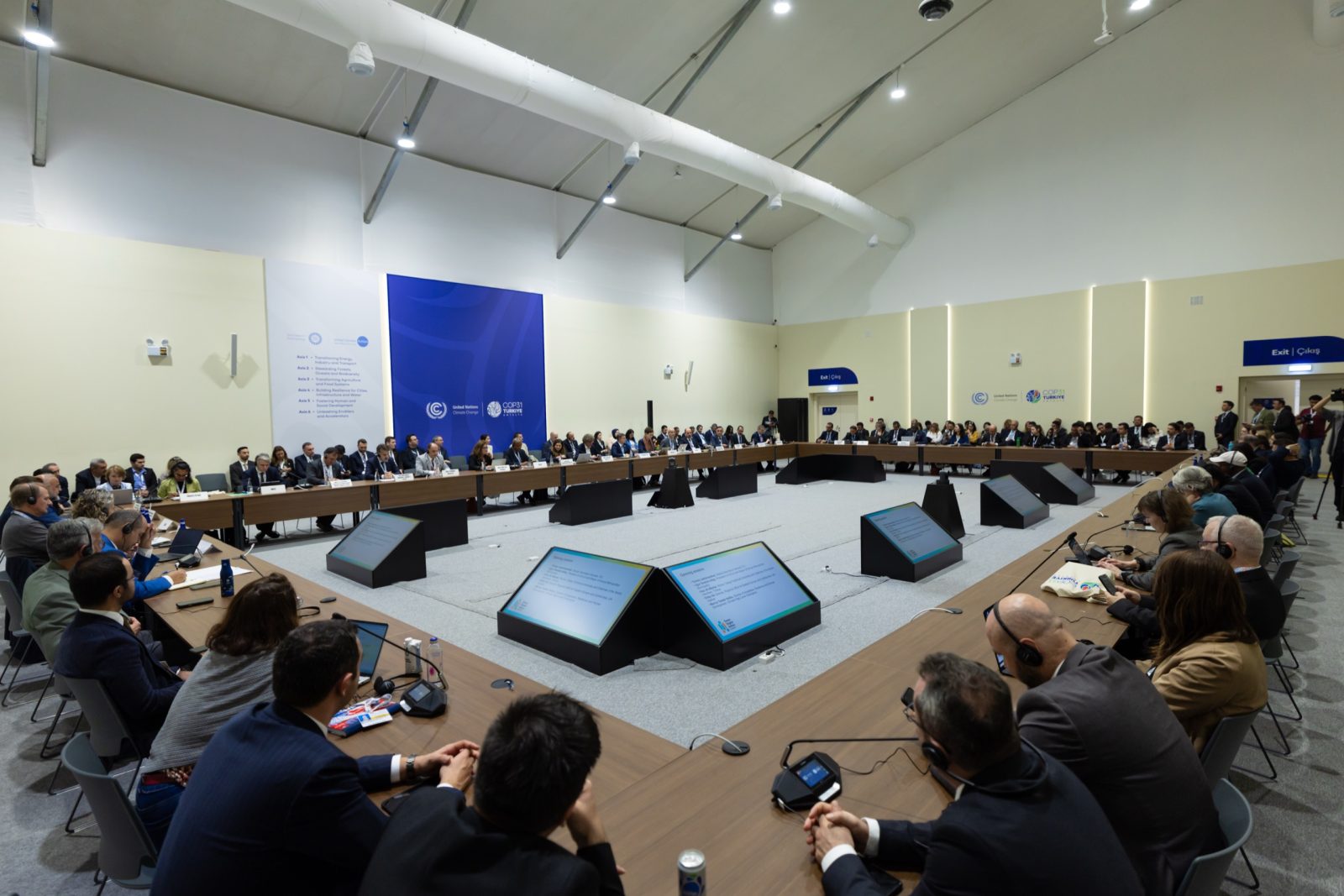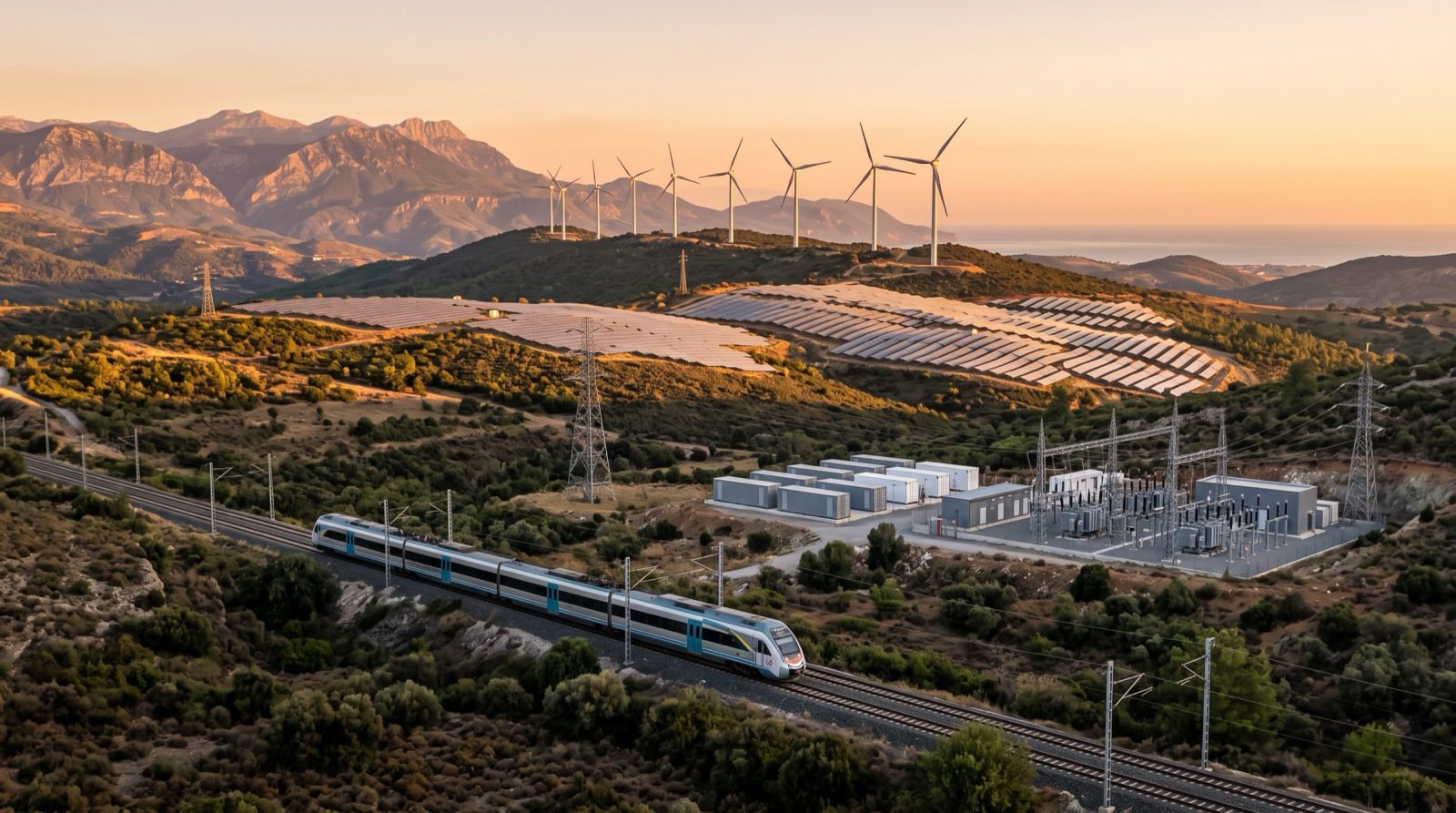
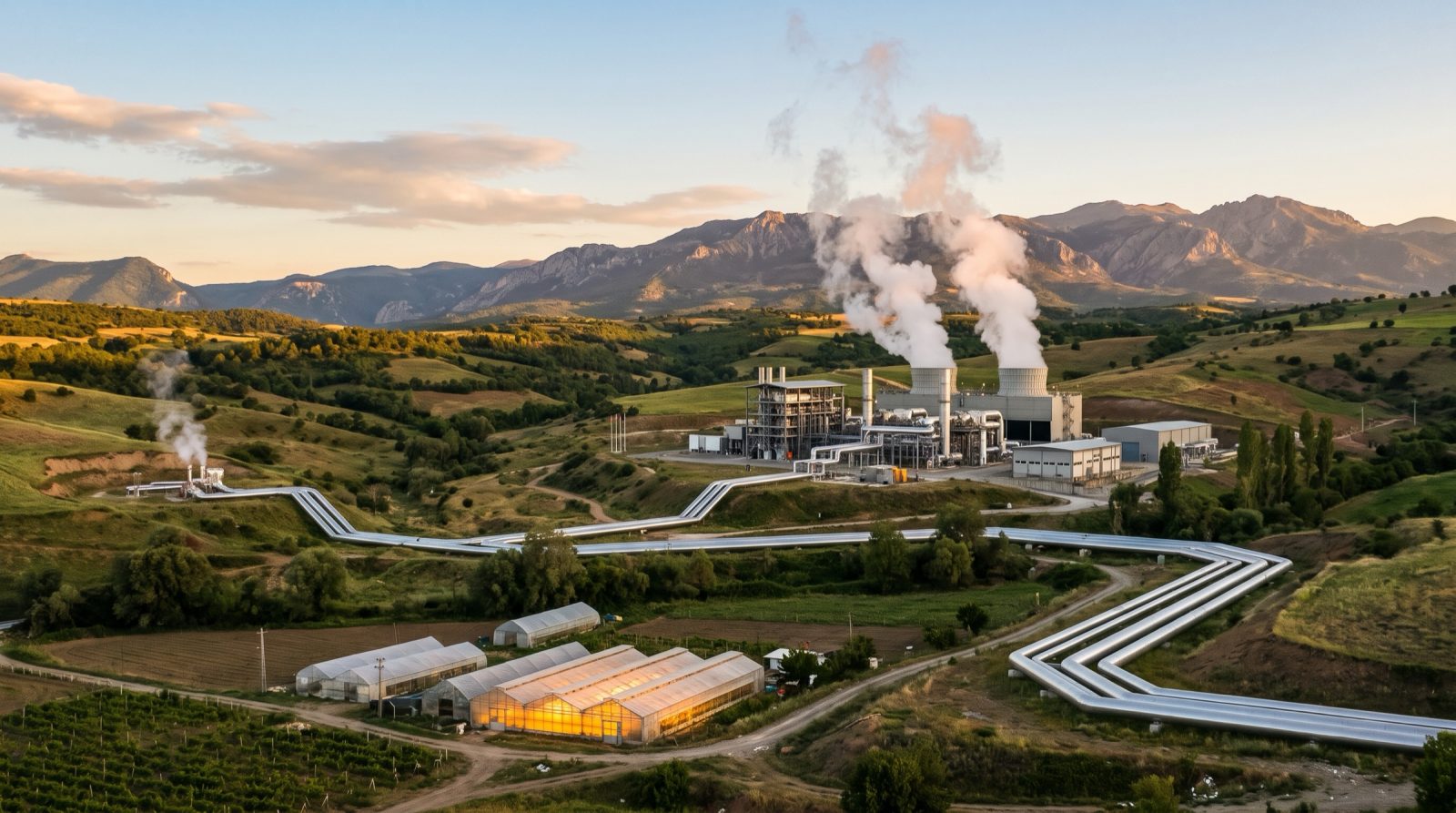
The Global Geothermal Ambition 2050, launched by the COP31 Presidency with IRENA on 10 November, gained the support of more than 50 countries, including the European Union, during the conference's first week. It aims to raise global geothermal supply for electricity and heat to twelve times its 2025 level by 2050. Minister of Energy and Natural Resources Alparslan Bayraktar pointed to Türkiye's experience in geothermal power, district heating, greenhouse farming and thermal tourism and invited international partners to cooperate. The Presidency also announced that the voluntary, non-binding Global Electrification Pledge, aiming for 35% electrification by 2035, is open to countries as well as international organisations, companies, financial institutions and other stakeholders.
On 16 November, a Global Call to Action for smart, resilient and sustainable cities powered by artificial intelligence, digital twins and the Internet of Things was announced at the COP31 High-Level Dialogue on Cities, organised by the COP31 Presidency, the International Telecommunication Union (ITU), UN-Habitat, UNFCCC and Türkiye's Ministry of Environment, Urbanisation and Climate Change. Participants discussed tracking cities' progress with U4SSC indicators and adopting interoperability standards.
At a dialogue held the same day by AFAD and the UN Office for Disaster Risk Reduction (UNDRR), Prof. Dr. Halil Hasar, COP31 Chief Climate Diplomacy Official, said: "The real challenge the world faces today is not a lack of policy frameworks, but their implementation." He noted that every Turkish province will prepare an integrated local climate action plan under its governor's coordination.
Selçuk University's work related to this theme includes AI-assisted solid waste sorting, solar hydrogen production and carbon footprint monitoring software (Events).
Photos