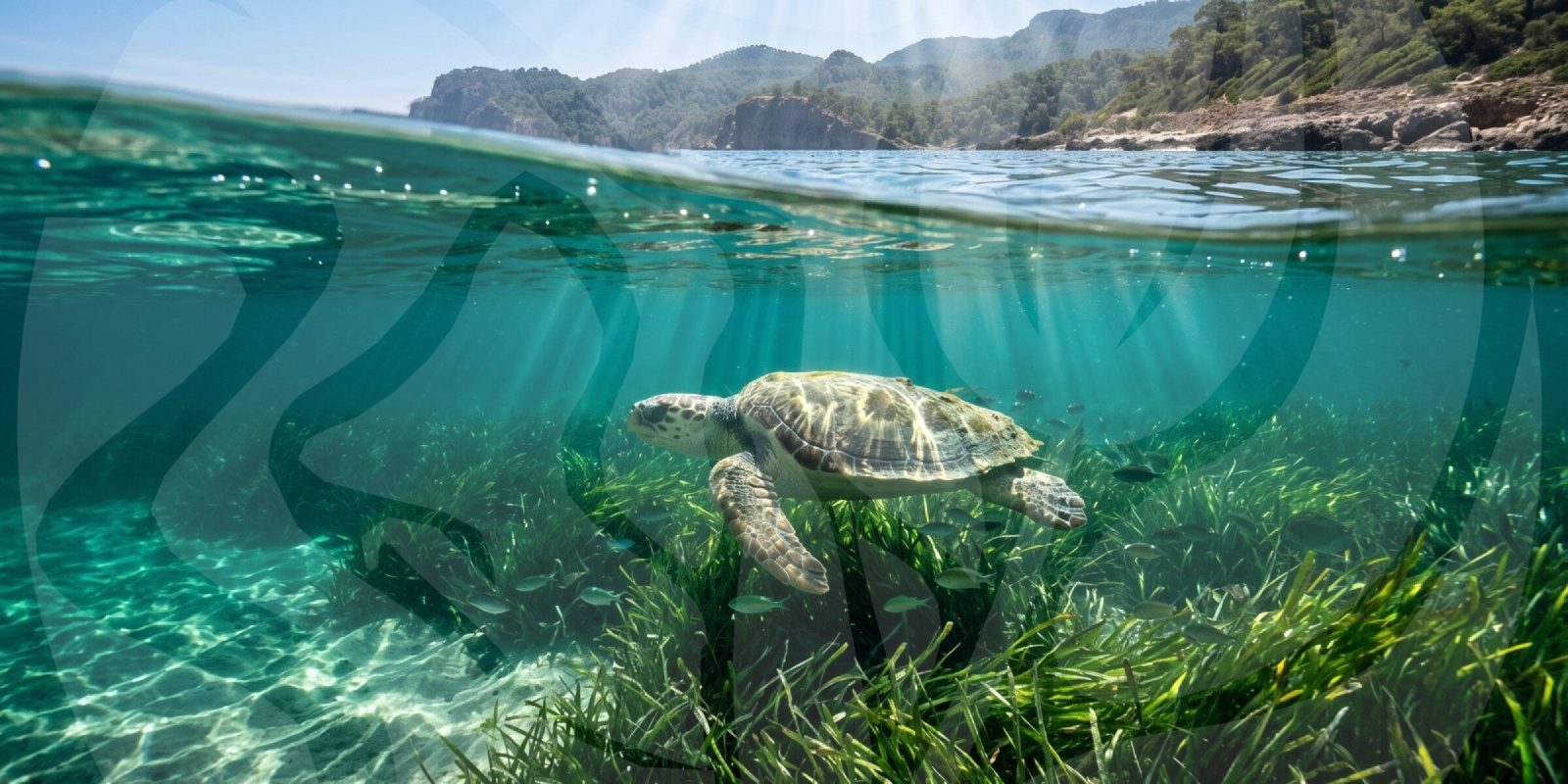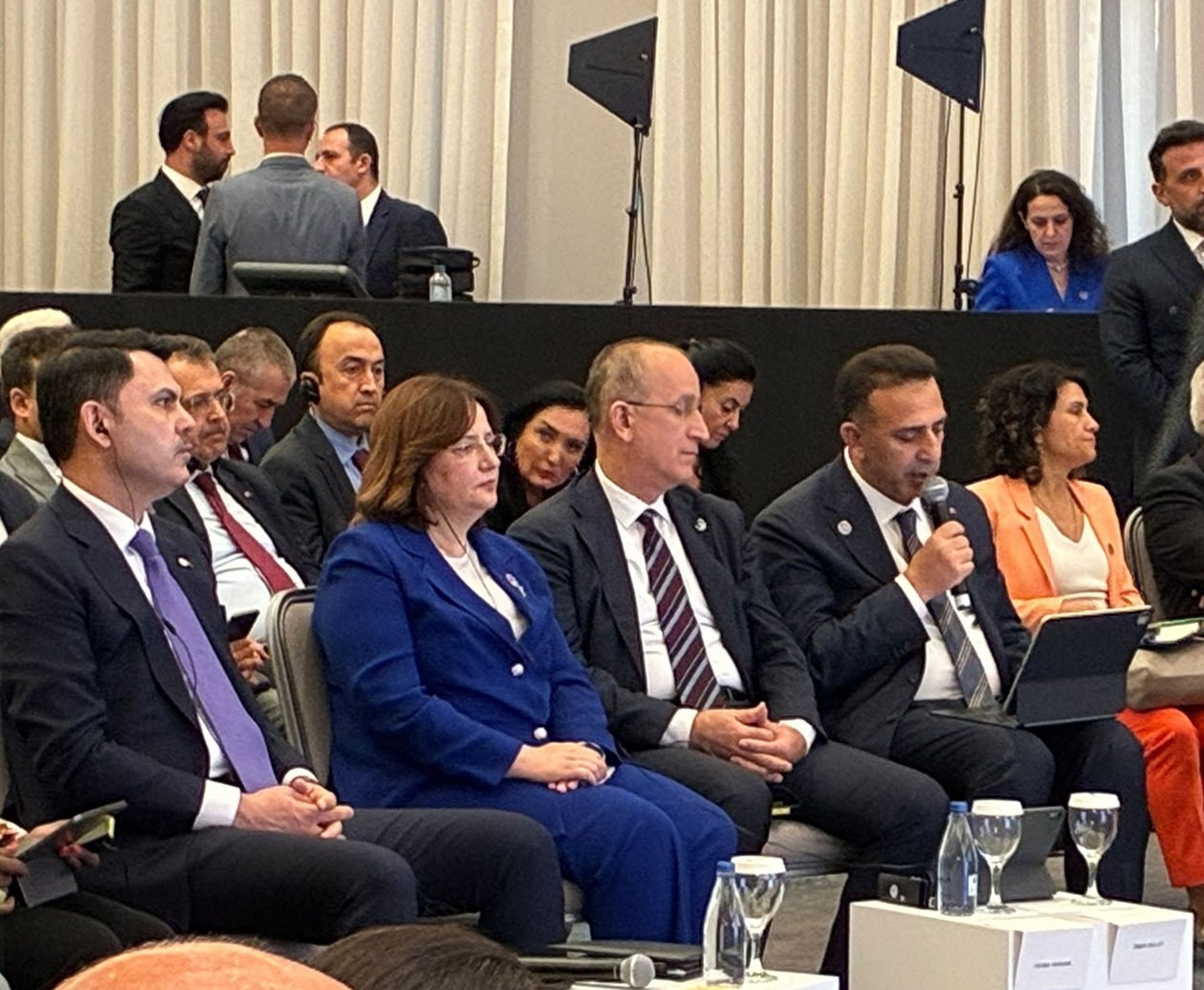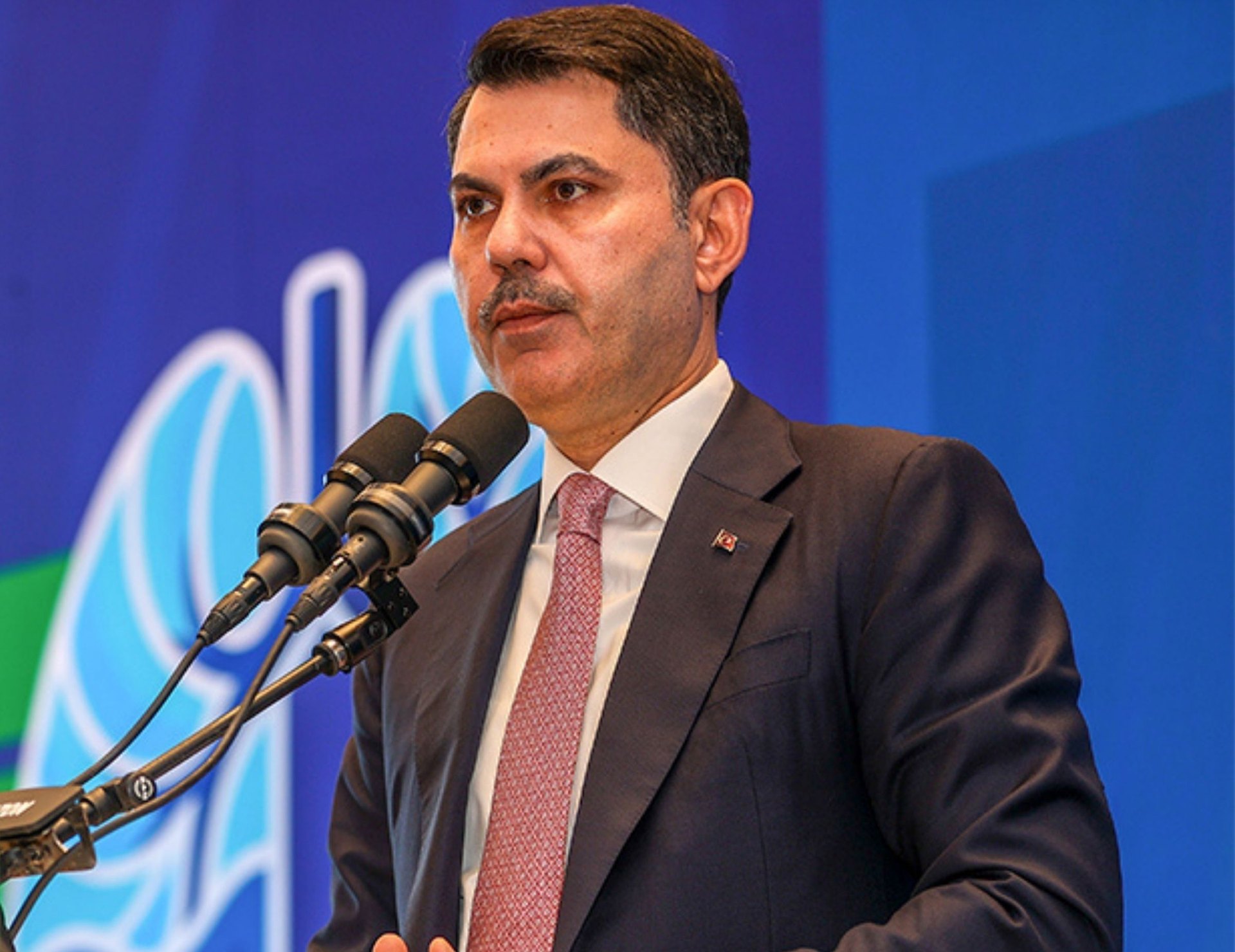
The Antalya Ocean and Seas Memorandum, published on 16 November and announced on 17 November, invites countries to integrate ocean-related mitigation, adaptation and resilience into their nationally determined contributions and national adaptation plans. Creating no new obligations or mechanisms, it highlights the protection of mangroves, seagrass, coastal wetlands and coral reefs, a sustainable blue economy, early warning systems, and access to blue finance through the Climate Implementation Bridge.
On the "Ocean, Seas, Nature and Land Use" thematic day, 17 November, the Regional and International Cooperation Initiative for Oceans and Seas was announced. It aims to restore at least 20% of degraded priority coastline by 2035, support clean energy and greener ports in shipping, and expand early warning systems for coastal communities. The Marine Litter Action Platform, launched in Trabzon in September and drawing on Türkiye's Zero Waste experience, was also presented at COP31.
The Presidency set up a voluntary, country-led Rio Synergies Group for Action, with no new commitments or reporting requirements, to coordinate climate, biodiversity and land priorities across the Rio Conventions. Türkiye and Germany launched a large-scale International Climate Initiative (IKI) grant call on the energy transition in buildings and the shift to a circular economy. "We cannot properly address climate change without accounting for the ocean," said Peter Thomson, the UN Secretary-General's Special Envoy for the Ocean.
Selçuk University's work related to this theme includes the Lake Beyşehir Underwater Clean-up and Climate Resilience Project (Events).
Photos